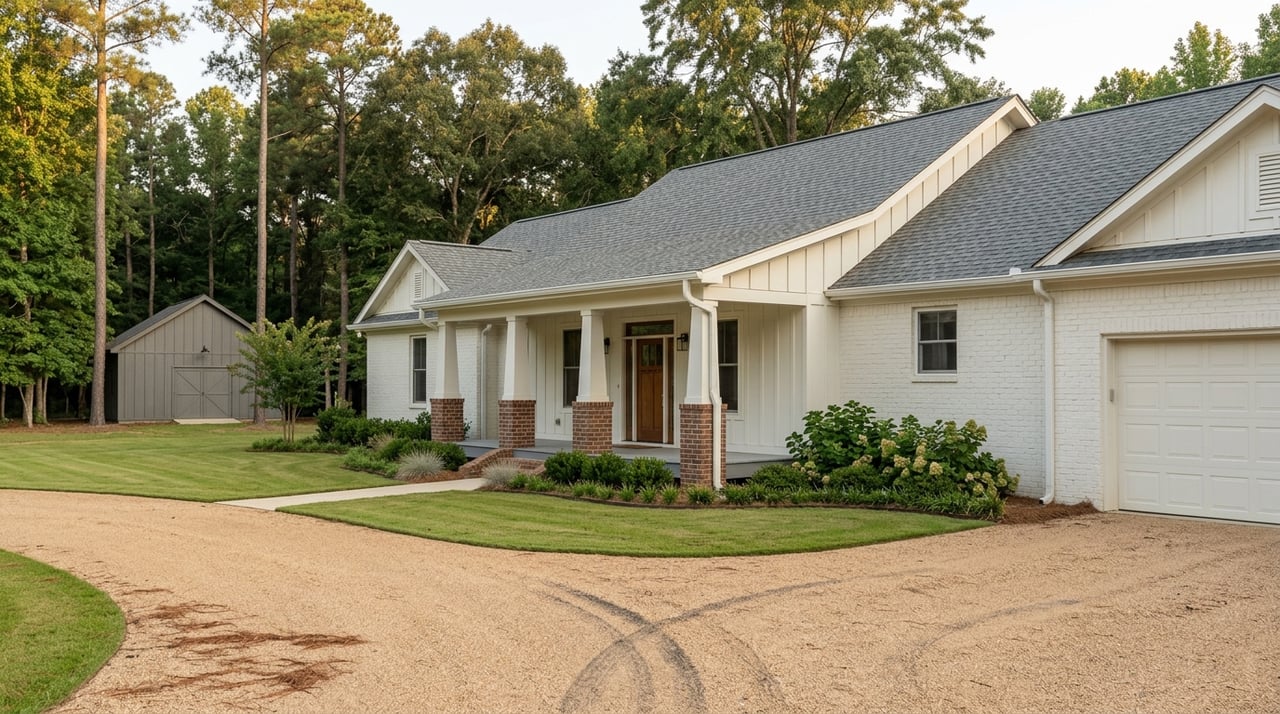
Dreaming about a home with a little more breathing room near Harlem, GA? Buying a property with land can open up exciting possibilities, but it also comes with a few extra details you do not want to miss. If you are looking for space for a garden, workshop, animals, or simply more privacy, knowing what to check before you make an offer can help you avoid surprises later. Let’s dive in.
Why Harlem-area land purchases need extra homework
Buying a home with acreage around Harlem is not always the same as buying a standard subdivision lot. In this area, your due diligence may need to cover zoning, utilities, driveway access, floodplain status, and permits for future projects.
That matters because the City of Harlem and Columbia County both have rules that can affect how you use the land. Features like second driveways, accessory buildings, land disturbance, timber harvesting, and certain hobby uses may need review or approval before work begins.
If a property is outside a typical neighborhood setup, it is smart to research the parcel early. Columbia County’s parcel and mapping tools can help you review tax, parcel, utility, and zoning layers before you get too far into the process.
Check utilities before you fall in love
One of the biggest questions with homes on land is how the property is serviced. You want to know early whether the home uses public water and sewer or relies on a private well and septic system.
Public water and sewer in Harlem
Within Harlem, Columbia County Water Utility handles water and sewer service. The city notes that new service should be scheduled with at least 24 hours’ notice, and there is a $50 setup fee, with a higher fee for same-day service.
If you are looking at new construction or a property where service needs to be confirmed, do not assume the City of Harlem is still the utility operator. A city notice states that water and sewer customers were transferred to Columbia County, so this is worth verifying right away.
Private well and septic systems
If the property has a private well, Georgia Department of Public Health guidance says wells must be at least 50 feet from a septic tank and 100 feet from a septic absorption field. The state also recommends annual bacteriological testing and chemical screening every three years.
For septic systems, regular maintenance is important. General guidance says systems should be inspected every 1 to 3 years and pumped every 3 to 5 years, and county environmental health offices handle local records and questions.
When you tour a property, ask for any available well or septic permits, inspection reports, pumping records, and maintenance history. Those documents can tell you a lot about how the property has been cared for.
Review access and driveway details carefully
Access can be a bigger issue on acreage than many buyers expect. A long driveway, shared lane, county right-of-way, or state route frontage can all create extra questions.
Columbia County reviews driveway encroachments into county rights-of-way, and driveway access must meet sight-distance and spacing standards. Secondary access can also be denied, which matters if you are hoping to add another entrance later.
If the property connects to a state route, Georgia Department of Transportation access-management rules may apply. In practical terms, this means you should confirm how the home is legally accessed and whether there are any easements, permits, or restrictions tied to that access.
For buyers planning future improvements, utility placement matters too. Before any mechanized digging, Georgia law requires a call to Georgia 811 at least 48 hours and no more than 10 working days in advance so utility lines can be marked.
Floodplain and site work matter more than you think
A property can look dry and still have flood-related concerns. In Columbia County, the 100-year flood is defined as a 1% annual-chance event, and properties in Special Flood Hazard Areas can trigger flood insurance requirements for federally backed loans.
Floodplain status can also affect what you build later. Columbia County requires elevation certificates and height standards for construction in special flood hazard areas, and land-disturbance permits are required for projects that range from new homes to decks.
If you are buying with plans to add a barn, outbuilding, fence line, or expanded outdoor living area, this is worth checking before you close. A simple floodplain review now can save time, money, and frustration later.
Confirm zoning and intended land use
If you are buying a home with land because you want flexibility, zoning deserves special attention. Your goals may be simple, but they still need to line up with local rules.
Harlem permits and hobby uses
Harlem’s permits page is especially helpful if you want your land to support a certain lifestyle. The city allows up to six chickens and ducks on a residential parcel, and larger residential lots can request specialty permits for horses, goats, sheep, and turkeys.
The city also says home businesses are allowed under its zoning code, with a one-time $25 fee for a home-business use. If you are hoping to work from home in a way that goes beyond a standard office setup, it is wise to confirm the rules before closing.
Columbia County zoning questions
Columbia County includes an R-A Residential Agricultural district, which can be relevant for buyers looking at larger lots. The county also offers zoning verification letters for a $25 request fee, which can be a useful step if you want formal confirmation of a permitted use.
That extra step can be especially helpful if you hope to add a workshop, barn, garden-related business use, or other nonstandard feature. County guidance notes that general zoning fact sheets may not list every allowed use, so a verification letter can add clarity.
Be realistic about maintenance on extra land
More land can be wonderful, but it usually means more upkeep. Before you buy, think through what it will take to maintain the property season after season.
Columbia County advises residents to preserve existing trees and keep grass clippings and debris out of storm drains. If the home has septic, routine inspections and pumping should stay on your long-term maintenance list as well.
Fencing is another common acreage project, but it should be approached carefully. UGA Extension advises building permanent fences only after exact property lines are confirmed, since fixing a fence placed incorrectly can be expensive.
Financing a home with land near Harlem
Financing acreage property is often possible, but the conversation can be a little different than it is for a standard lot. The land itself is not always the issue. More often, lenders and appraisers focus on access, comparable sales, and whether the property fits typical expectations for the area.
USDA loan potential
USDA Rural Development’s Single Family Housing Guaranteed Loan Program may help eligible low- and moderate-income buyers purchase homes in eligible rural areas with no down payment. USDA says there is no set maximum purchase price or acreage limit as long as the acreage is common for the area.
The program can also be used for an existing home or new construction, and financing may include utility connection fees, tax and insurance escrows, essential household equipment, and site preparation. Eligibility still needs to be confirmed, but it can be a helpful option for some Harlem-area buyers.
Appraisal considerations
Fannie Mae guidance notes that rural properties often have larger lot sizes and fewer truly comparable nearby sales. Because of that, appraisers may need to use sales from farther away and explain their reasoning.
The same guidance says the appraisal should identify primary access and that the property should be accessed from a publicly dedicated and maintained street that meets community standards. For buyers, this means lot size, road access, and nearby comparable sales may all become part of the loan conversation.
Questions to ask before making an offer
When you are serious about a home with land around Harlem, these are some of the most useful questions to ask:
- Is the property on Columbia County water and sewer, or does it use a private well and septic system?
- If it has a well or septic system, are there permits, maintenance records, and recent inspection or pumping dates?
- Does the driveway or road access involve county right-of-way, a private lane, or a state route?
- Are there recorded easements or permits tied to access or utilities?
- Is any part of the parcel located in a mapped floodplain?
- What zoning district applies to the property?
- Does zoning allow your intended use before and after closing?
- If you want animals, a fence, a shed, or a home-based business, what permits are needed first?
- If you are financing the purchase, how might lot size, access, and comparable sales affect underwriting or appraisal?
A smart plan helps you buy with confidence
A home with land around Harlem can give you flexibility, room to grow, and a lifestyle that is hard to find on a smaller lot. The key is making sure the property works not just for today, but for the way you hope to use it in the future.
With the right questions and a clear local strategy, you can move forward with more confidence and fewer surprises. If you are exploring acreage homes in Harlem or anywhere in the CSRA, Tara McNaylor can help you navigate the details, communicate clearly through each step, and feel supported long after closing.
FAQs
What should you check first when buying a home with land around Harlem, GA?
- Start with utilities, zoning, access, and floodplain status, since those four items can affect how you use the property and what future projects may be possible.
Does Columbia County or the City of Harlem handle water and sewer service?
- Within Harlem, Columbia County Water Utility handles water and sewer service, so you should verify service details through the county rather than assume the city is the operator.
Can you have chickens or other animals on residential land in Harlem, GA?
- Harlem allows up to six chickens and ducks on a residential parcel, and larger residential lots can request specialty permits for horses, goats, sheep, and turkeys.
Why does driveway access matter for acreage homes near Harlem?
- Driveway access matters because county or state rules may affect entrances, sight-distance standards, easements, and whether a second access point can be approved.
How can zoning affect a home purchase with land in Columbia County, GA?
- Zoning can determine whether your intended use is allowed, including features like workshops, barns, home businesses, or certain animal uses, so it is worth confirming before closing.
Can USDA financing work for a home with land near Harlem, GA?
- It can for eligible buyers and eligible rural properties, and USDA says there is no set acreage limit as long as the acreage is common for the area.
What maintenance issues come with buying a property with more land?
- Common upkeep items include tree preservation, drainage care, septic maintenance if applicable, and confirming property lines before building permanent fences.