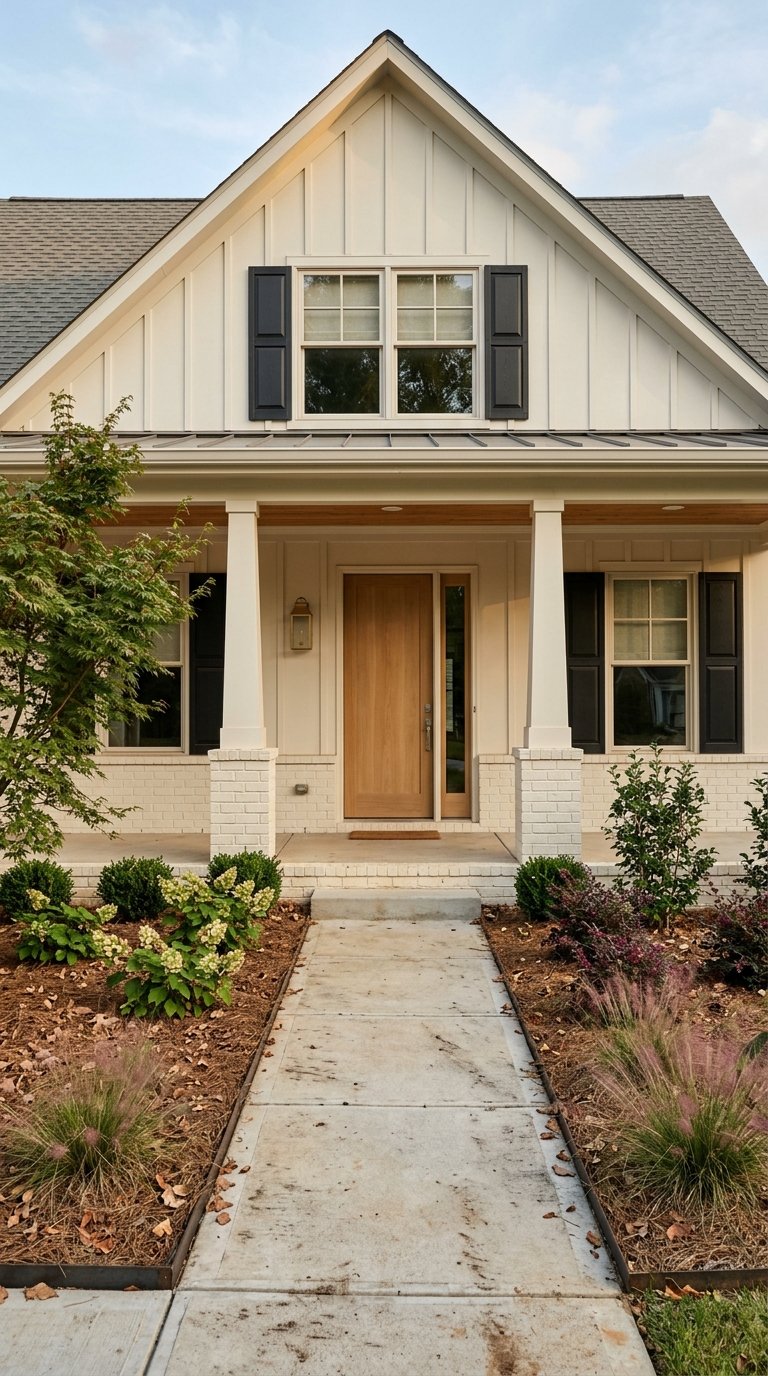
Wondering which Evans neighborhood actually fits your day-to-day life, not just your wish list? That is one of the biggest questions buyers face in Evans because many communities offer attractive homes, established streets, and easy access to the larger Augusta area. The good news is that Evans neighborhoods do have clear differences in style, layout, amenities, and daily convenience. If you are trying to narrow down where to focus, this guide will help you compare the major areas and understand what those differences may mean for you. Let’s dive in.
Why Evans Feels So Varied
Evans is not just one look or one lifestyle. In Columbia County, the area includes a mix of town-center activity, golf-oriented neighborhoods, established larger-lot communities, and newer master-planned development.
That variety is shaped in part by the road network and the way Evans has grown. Washington Road, Hereford Farm Road, Evans to Locks Road, Fury’s Ferry Road, Columbia Road, North Belair Road, Ronald Reagan Drive, and nearby I-20 all influence how connected a neighborhood feels to shopping, parks, dining, and commuting routes.
The center of Evans also has a more event-oriented identity than some buyers expect. Evans Towne Center Park, Memorial Gardens Park, The Plaza, and nearby retail areas create a central corridor that feels active and convenient rather than purely residential.
What Really Changes by Neighborhood
When you compare Evans neighborhoods, the biggest differences usually come down to four things:
- Home style and age
- Lot size and streetscape
- Amenities and neighborhood atmosphere
- Access to parks, shopping, and major roads
In other words, two neighborhoods can both be in Evans and still feel very different once you drive them. One may feel polished and master-planned, while another feels more settled, wooded, and spacious.
Riverwood Plantation: Coordinated and Amenity-Led
Riverwood Plantation stands out for its master-planned feel. The community spans about 3,000 acres and includes a low-country clubhouse, barn pavilion, pool, trails, and multiple neighborhood sections with distinct architectural themes.
You will typically see a mix of Low Country Southern, Colonial, Neo-Classical, and newer craftsman-style influences. Homes span a fairly wide age range, roughly from the early 2000s into the 2010s, with neighborhood-level data reaching into 2021.
The overall effect is polished and cohesive, even though the homes are not all from one exact era. If you want a neighborhood that feels intentional, amenity-rich, and visually coordinated, Riverwood is often one of the first places to consider.
Another draw is convenience. Riverwood Town Center is part of Evans’s retail and restaurant growth, so this area can appeal to buyers who want neighborhood identity along with quick access to everyday stops.
Bartram Trail: Golf-Centered and Commute-Friendly
Bartram Trail is one of the clearest golf-and-swim choices in Evans. It offers a clubhouse, junior Olympic-size pool, walking and bike trails, and convenient access to Patriots Park, shopping, dining, and I-20 Exit 190.
The homes here generally read as traditional suburban single-family properties. Brick and mixed-material exteriors are common, and many homes feature 1.5- to 2-story layouts.
Most of the neighborhood was built in the mid-to-late 2000s, although some newer homes have appeared in later sections. That gives Bartram Trail a feel that is established but still evolving.
If your priorities include golf, neighborhood amenities, and easier I-20 access, Bartram Trail often rises to the top. It tends to work well for buyers who want an active neighborhood with practical day-to-day convenience.
Jones Creek: Established and Tree-Covered
Jones Creek is one of the more established golf communities in Evans. Many homes date to the late 1980s and 1990s, with some later custom homes added in the 2000s.
The dominant look is classic brick traditional architecture, along with ranch and two-story plans. Larger lots, mature landscaping, and golf-course surroundings help give the neighborhood a more settled feel than some newer communities.
Community features noted in listing data include pool, tennis, pickleball, and walk or jog trails. The location also offers quick access to Evans Towne Center, parks, and the Savannah River corridor.
If you are drawn to mature streetscapes and less of a uniform new-construction feel, Jones Creek may be worth a close look. It can be a strong fit for buyers who want an established neighborhood with club-style surroundings.
Windmill Plantation: Larger Lots and a Quieter Feel
Windmill Plantation shares some of the established character buyers often like in Jones Creek, but it tends to read more like a larger-lot suburban estate neighborhood. Homes were built across a broad span from the late 1980s through the 2000s, with some later homes around 2009.
Most homes are all-brick ranches or two-story plans, and mature landscaping is a common theme. Listing descriptions also frequently mention larger lots, which can make the neighborhood feel more private and spread out.
Amenities associated with the community include features such as a lake or pond, clubhouse, pool, tennis, pickleball, basketball, baseball field, playgrounds, sidewalks, and streetlights. That combination gives buyers a quieter setting without giving up neighborhood infrastructure.
Windmill Plantation may appeal most if you want space, established landscaping, and a less town-center-driven feel. At the same time, it still remains convenient to Evans Town Center, shopping, and restaurants.
Crawford Creek: Newer and Still Evolving
Crawford Creek is one of the strongest options if you want newer construction and more modern floor plan choices. The community includes single-family homes and townhomes, with ranch, main-level primary suite, and two-story options.
Community amenities include a resort-style pool, a 5-lane lap pool, clubhouse, pavilion, playground, sports courts, trails, and more than 100 acres of preserved green space. The community is described as being in its final phase, which reinforces its newer and still-evolving character.
Representative home ages mostly start around 2009 and move forward from there. Compared with some older Evans neighborhoods, Crawford Creek often feels more current in both layout and overall neighborhood design.
It also offers practical access to Evans Town Center, parks, shopping, dining, Fort Gordon, and major medical facilities. If you want a newer neighborhood with strong amenities and a more tucked-away feel, Crawford Creek deserves attention.
Town Center Access Changes Daily Life
One of the most useful ways to compare Evans neighborhoods is by thinking about your weekly routine. The central Evans corridor around Evans Towne Center Park, Memorial Gardens Park, The Plaza, Riverwood Town Center, and the Washington Road, Ronald Reagan Drive, and Evans Town Center Boulevard network tends to feel more connected to events, restaurants, and errands.
That can create a very different experience from living in a neighborhood that feels more residential and removed from the center. Neither option is better for everyone, but the lifestyle difference is real.
If you enjoy being near markets, concerts, food-truck events, and park activity, central Evans access may matter a lot. If you prefer a quieter setting and do not mind driving a little farther for that activity, a more tucked-away neighborhood may feel like a better match.
Parks Also Shape Neighborhood Feel
Evans has a strong parks-and-events identity, and that affects how different parts of town feel. Evans Towne Center Park and Memorial Gardens Park support the central Evans experience, while Savannah Rapids Park and Blanchard Woods Park expand outdoor options in other parts of the area.
This means park access is not just a bonus feature. It can be part of how your neighborhood feels on weekends, how often you spend time outdoors, and whether your area feels more event-oriented or more residential.
The Evans to Locks Road corridor, for example, can feel more scenic and park-adjacent. That may appeal to buyers who want easy access to outdoor recreation and a slightly different pace than the town-center core.
Roads Matter More Than Buyers Expect
In Evans, subdivision names are important, but the major road structure may matter just as much. I-20, Washington Road, Hereford Farm Road, Evans to Locks Road, Fury’s Ferry Road, Columbia Road, and North Belair Road all shape how fast you can get where you need to go.
In practical terms, Bartram Trail and the Hereford Farm area are especially strong for I-20 convenience. Central Evans neighborhoods tend to shine for town-center access, while the Evans to Locks corridor offers a different feel tied more closely to parks and river-adjacent recreation.
If you are relocating, especially on a compressed timeline, this is one of the easiest things to underestimate. A neighborhood can check every box on paper, but if the daily driving pattern does not fit your routine, it may not feel right long term.
How to Narrow Down the Right Fit
If you are comparing Evans neighborhoods, start by deciding which trade-offs matter most to you. That usually gives you more clarity than trying to rank every neighborhood all at once.
Here is a simple way to think about it:
- Want a polished master-planned feel? Start with Riverwood Plantation.
- Want newer construction and modern layouts? Focus on Crawford Creek.
- Want golf and activity-based amenities? Compare Bartram Trail and Jones Creek.
- Want larger lots and mature landscaping? Look closely at Jones Creek and Windmill Plantation.
- Want easier access to events, parks, and central Evans retail? Prioritize neighborhoods near the town-center corridor.
- Want strong I-20 convenience? Pay attention to Bartram Trail and the Hereford Farm area.
Once you know your top two or three priorities, it becomes much easier to sort through the options. You stop looking for the "best" neighborhood in Evans and start looking for the best neighborhood for your lifestyle.
The Best Neighborhood Is Personal
The biggest takeaway is simple: Evans neighborhoods differ less by whether they are desirable and more by how they live day to day. Some feel newer and coordinated, some feel established and spacious, and some are built around golf, green space, or town-center convenience.
That is why neighborhood guidance matters so much during a home search. When you understand the feel, access, and trade-offs of each area, you can make a more confident decision and avoid wasting time on neighborhoods that do not really match your goals.
If you want help comparing Evans neighborhoods based on your commute, style preferences, or must-have amenities, Tara McNaylor can help you narrow the field and make your next move with confidence.
FAQs
How do Evans neighborhoods differ in home style?
- Evans neighborhoods range from classic brick traditional homes in places like Jones Creek and Windmill Plantation to newer craftsman-influenced and master-planned styles in Riverwood Plantation and Crawford Creek.
Which Evans neighborhoods feel newest?
- Crawford Creek and Riverwood Plantation are usually the strongest options if you want a newer-feeling community, with Crawford Creek standing out for newer construction and modern floor plan variety.
Which Evans neighborhoods offer golf amenities?
- Bartram Trail and Jones Creek are the main Evans neighborhoods most closely associated with golf-oriented living, along with additional recreation features such as pools and trails.
Which Evans neighborhoods have larger lots and mature landscaping?
- Jones Creek and Windmill Plantation are often the best places to start if you want larger lots, mature trees, and a more established neighborhood feel.
How does location within Evans affect daily life?
- Your location affects how quickly you can reach parks, shopping, restaurants, events, and major roads like I-20, Washington Road, Hereford Farm Road, and Evans to Locks Road.
Which part of Evans feels closest to parks and events?
- The central Evans corridor near Evans Towne Center Park, Memorial Gardens Park, The Plaza, and Riverwood Town Center generally feels the most connected to events, errands, and public gathering spaces.